IMOS Breakout Report
Investor Analysis
IMOS (International Seaways, Inc.) Investor Summary
As of [Current Date]
Business Overview
International Seaways, Inc. (NYSE: IMOS) is one of the largest tanker companies worldwide, engaged in the ownership and operation of a modern fleet of crude and product tankers. The company transports crude oil, petroleum products, and other liquid cargoes globally. Its diverse fleet includes Very Large Crude Carriers (VLCCs), Suezmaxes, Aframaxes/LR2s, and Panamaxes/LR1s, enabling it to serve various trade routes and customer needs with a focus on safety, reliability, and environmental compliance.
Key Competitive Moats
- Modern and Versatile Fleet: IMOS operates a high-quality, modern, and fuel-efficient fleet strategically diversified across crude and product segments, reducing exposure to single market volatility and meeting evolving environmental standards.
- Operational Excellence & Safety: A strong track record of safe and efficient operations, along with robust customer relationships, positions IMOS as a preferred partner for major oil companies and traders.
- Strong Balance Sheet & Capital Allocation: Prudent financial management, including significant debt reduction and a commitment to returning capital to shareholders through dividends and potential share repurchases, provides financial flexibility and investor confidence.
- Experienced Management Team: A seasoned management team with deep industry expertise adeptly navigates the cyclical nature of the shipping market, optimizing fleet utilization and financial performance.
Revenue and Earnings Growth Outlook
International Seaways is projected to maintain strong financial performance, benefiting from favorable tanker market fundamentals. Analyst consensus estimates point towards continued robust revenue and earnings per share (EPS) through 2025 and into 2026. While specific forecasts for distant quarters can be subject to revision, the general outlook remains positive.
- Q2 2024 (Ending June 30, 2024): Estimated Revenue of approximately $217.4 million; Estimated EPS of approximately $2.86.
- Q3 2024 (Ending Sep 30, 2024): Estimated Revenue of approximately $224.2 million; Estimated EPS of approximately $2.97.
- Q4 2024 (Ending Dec 31, 2024): Estimated Revenue of approximately $230.1 million; Estimated EPS of approximately $3.03.
- Q1 2025 (Ending March 31, 2025): Estimated Revenue of approximately $218.4 million; Estimated EPS of approximately $2.80.
- Beyond Q1 2025: Analysts generally anticipate continued profitability and strong cash flow generation throughout 2025 and 2026, driven by a tight supply of new vessels and persistent global demand for energy transportation.
Recent Catalysts
- Strong Tanker Market Fundamentals: Persistent geopolitical tensions (e.g., Red Sea diversions) are increasing ton-mile demand, while a historically low orderbook for new vessels ensures a tight supply environment for the foreseeable future.
- Robust Financial Performance: Consistent delivery of strong quarterly earnings, often exceeding analyst expectations, underscores operational efficiency and market strength.
- Shareholder Returns: The company's commitment to returning capital to shareholders through attractive dividends and potential share repurchase programs enhances investor value.
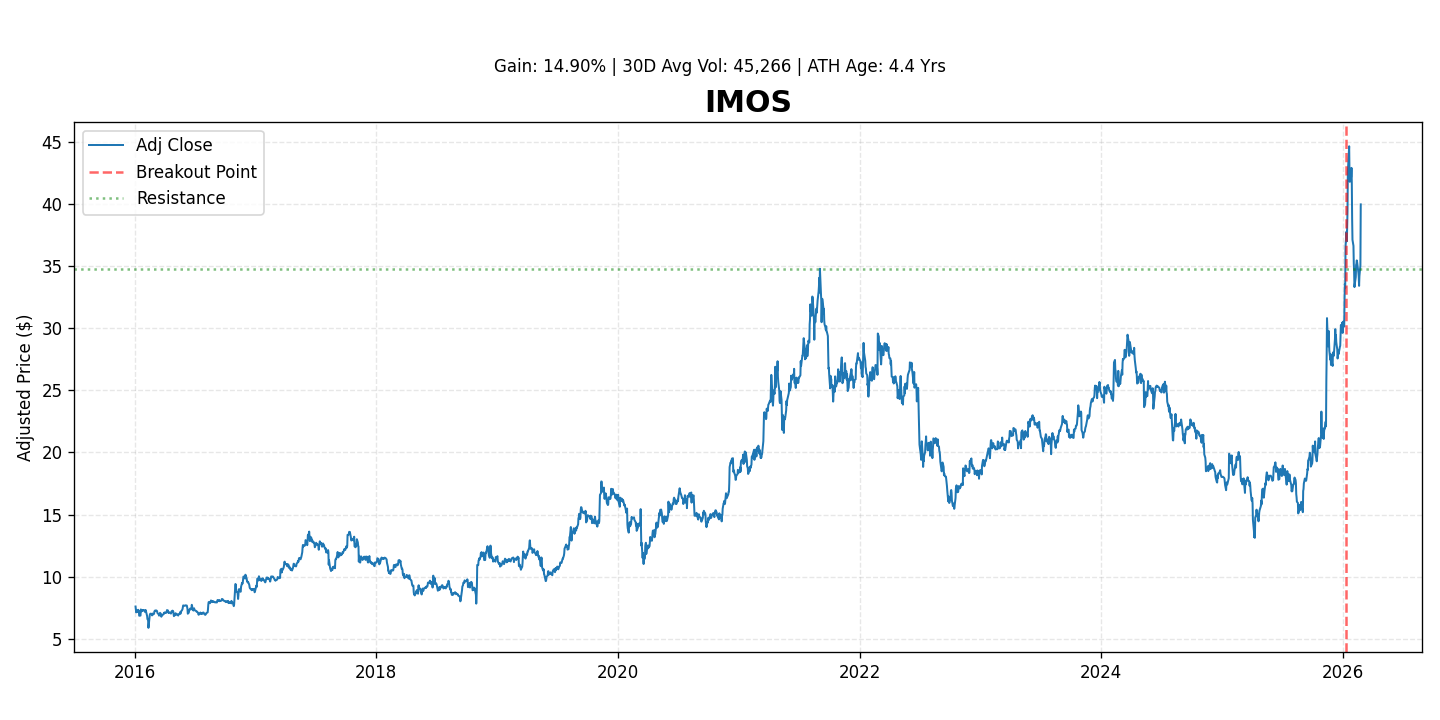
- Market Momentum: The stock has notably gained 14.9% since its recent breakout, indicating strong investor confidence and positive market sentiment regarding its near-term prospects.
Main Risks
- Volatile Shipping Rates: Tanker rates are highly cyclical and susceptible to fluctuations in global oil demand, supply, and geopolitical events, which can significantly impact profitability.
- Global Economic Slowdown: A substantial downturn in global economic activity could reduce oil demand, leading to decreased shipping volumes and lower freight rates.
- Geopolitical Instability: Escalation of international conflicts, changes in trade routes, or the imposition of new sanctions could disrupt operations, increase costs, or reduce demand for tanker services.
- Regulatory Changes: Increasingly stringent environmental regulations (e.g., IMO's GHG reduction targets) could necessitate significant capital expenditures for fleet upgrades or impact operational costs.
- Newbuild Orders: While currently low, an unexpected surge in new tanker orders could eventually lead to vessel oversupply, pressuring freight rates.